
Looking to hit the slopes this winter? Choosing the right skis or snowboard is crucial to make the most of your winter adventures. But with so many options available, how do you know which ones are perfect for you?
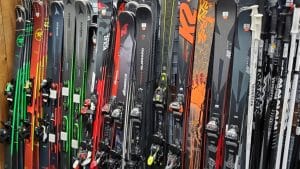
Fear not! In this ultimate guide, we will arm you with expert tips and top recommendations to help you confidently navigate the world of ski and snowboard buying. Whether you’re a novice or a seasoned pro, we’ve got you covered.
Best Places to Buy Your New Skis and Snowboards
It’s important to buy your ski or snowboard equipment from a reputable business that honors the purchase. The seller should have an easy to understand return policy and be easy to do business with. Below are some of the ski and snowboard retailers that we have been found to have the best reviews, great products and are good to do business with:
- OutdoorMaster is a great source for Snow Helmets and Snow Goggle as well as equipment for biking, hiking, skating and watersports. Click Here for Discounts on OutdoorMaster Gear.
- MarkerWay is a great source for Snow Clothing, Bibs, Goggles, Helmets and More. Click Here for Discounts on MarkerWay Snow Gear.
- Apex Ski Boots is the best place we have found for super high quality ski boots. Click Here to Access Apex Ski Boots.
- Peter Glenn Sports is an all in one shop for all things snow! Click Here for Discounts From Peter Glenn.
- Utah Skis is another online retailer that sells everything needed for Snowboarding and Skiing. Click Here for Discounts from Utah Skis.
- Bergs Snow Sport Specialists is a long time retailer of ski and snowboard gear. Click Here to Access Bergs Snow Sports.
- Blauer Board Shop specializes in snowboard gear, boards and boots. Click Here for 10% off at Blauer Board Shop.
Understanding the Different Types of Skis and Snowboards
When it comes to skis and snowboards, there are various types available, each designed for different terrains and riding styles. Understanding these different types will help you make an informed decision when buying your equipment.
- All-Mountain Skis and Snowboards: These are versatile options suitable for a wide range of terrains and conditions. They are designed to handle both groomed slopes and off-piste adventures. All-mountain skis and snowboards offer a good balance of stability, maneuverability, and performance.
- Freestyle Skis and Snowboards: If you enjoy tricks, jumps, and terrain parks, freestyle skis and snowboards are perfect for you. They are designed to be more flexible and lightweight, allowing for easy spins, grabs, and landings. Freestyle equipment typically has a twin-tip design, making it easier to ride both forwards and backwards.
- Powder Skis and Snowboards: For those seeking the ultimate thrill in deep, untouched snow, powder skis and snowboards are a must. These wider and longer options provide better floatation on powder, allowing you to effortlessly glide through the fluffy stuff. Powder-specific designs often feature rocker profiles to keep you on top of the snow.
- Carving Skis: If you have a need for speed and enjoy laying down precise turns on groomed slopes, carving skis are your go-to choice. These skis have a narrow waist, enabling quick edge-to-edge transitions and maximum grip on hard-packed snow. Carving skis are typically longer and have a more aggressive sidecut.
Remember, each type of ski or snowboard has its own strengths and limitations. Consider your preferred terrain and riding style to determine which type suits you best.
Factors to Consider When Buying Skis and Snowboards
Now that you are familiar with the different types of skis and snowboards, let’s delve into the key factors you should consider when making your purchase. These factors will greatly impact your performance, comfort, and overall experience on the slopes.
- Skill Level: Are you a beginner, intermediate, or advanced rider? Your skill level will dictate the type of ski or snowboard you should choose. Beginners will benefit from more forgiving options, while advanced riders may require equipment with higher performance capabilities.
- Size and Shape: The size and shape of your skis or snowboard are crucial for optimal performance. Length, width, and sidecut radius all play a role in how your equipment behaves on the snow. Longer skis provide more stability at high speeds, while shorter ones offer increased maneuverability. Similarly, the width of your snowboard affects floatation on powder and edge hold on hard-packed snow.
- Flex: Flex refers to the stiffness or softness of your skis or snowboard. It affects how responsive your equipment is and how it performs in different conditions. Softer flex provides a more forgiving ride, making it suitable for beginners or freestyle riders. On the other hand, stiffer flex offers better stability and responsiveness, ideal for aggressive carving or high-speed runs.
- Bindings: Bindings are an essential component of your ski or snowboard setup. They connect your boots to the equipment and provide control and power transmission. When choosing bindings, consider factors such as compatibility with your boots, adjustability, and ease of use. It’s important to ensure that your bindings are properly fitted and adjusted to your boots for optimal performance and safety.
Choosing the Right Size and Shape for Your Skis and Snowboards
The size and shape of your skis or snowboard are critical factors that can greatly affect your performance and enjoyment on the slopes. Let’s dive deeper into how to choose the right size and shape for your equipment.
- Ski Length: The length of your skis is determined by your height, weight, skiing ability, and preferred terrain. As a general rule of thumb, shorter skis are easier to control and maneuver, making them suitable for beginners and those who enjoy skiing in tight spaces. Longer skis provide more stability and better floatation on powder, making them ideal for advanced riders or those who prefer high-speed runs.
- Snowboard Length: When it comes to snowboards, length is also influenced by your height, weight, and ability. However, there is an additional factor to consider – your riding style. For freestyle riders, shorter snowboards are typically preferred as they offer better maneuverability and control when performing tricks. All-mountain riders may opt for a slightly longer board for increased stability and better floatation in powder.
- Width: The width of your snowboard is determined by your boot size. You want to ensure that your boots do not exceed the edges of the board, as this can cause drag and affect your performance. Most snowboard manufacturers provide size charts indicating the appropriate width for each board length.
- Sidecut Radius: The sidecut radius refers to the curvature of the edges of your skis or snowboard. A smaller radius means a tighter turn radius, allowing for quick and precise turns. A larger radius provides a more stable and predictable ride, ideal for high-speed carving. Consider your preferred riding style and terrain when choosing the sidecut radius that suits you best.
Remember, these are general guidelines, and personal preferences may vary. It’s always a good idea to consult with a knowledgeable salesperson or instructor to ensure you choose the right size and shape for your specific needs.
The Importance of Bindings and Boots in Skiing and Snowboarding
While skis and snowboards may get most of the attention, bindings and boots are equally important components of your setup. They are responsible for connecting your feet to the equipment and play a crucial role in your comfort, control, and safety on the slopes.
- Bindings: Bindings are the interface between your boots and skis or snowboard. They secure your boots in place and transfer your movements to the equipment. When choosing bindings, ensure they are compatible with your boots and have the right flex and stiffness for your riding style. Adjustable bindings offer the flexibility to fine-tune your setup as needed.
- Boots: Your boots are your direct connection to your skis or snowboard. They provide support, control, and comfort throughout your ride. When buying boots, it’s important to find the right fit. They should be snug but not overly tight, providing enough support without sacrificing circulation. Consider factors such as flex, boot liner material, and closure system when selecting your boots.
Properly fitted bindings and boots are essential for efficient power transfer and control. Ill-fitting or improperly adjusted bindings can lead to discomfort, reduced performance, and even injury. Take the time to ensure your bindings and boots are well-matched to your feet and riding style.
Top Recommendations for Skis and Snowboards for Beginners
If you’re new to skiing or snowboarding, choosing the right equipment can be overwhelming. Here are some top recommendations to get you started on the right track:
- Beginner Skis: For novice skiers, consider all-mountain skis with a moderate flex. These skis offer stability and forgiveness, making them easier to control. Look for skis with a shorter length and a wider waist for increased maneuverability and better floatation on powder. Some popular models for beginners include the Rossignol Experience 76 and the Atomic Vantage 75.
- Beginner Snowboards: If you’re new to snowboarding, opt for all-mountain or freestyle snowboards with a softer flex. These boards are forgiving and responsive, allowing you to progress quickly. Look for boards with a shorter length and a wider waist for better stability and easier turns. Some recommended options for beginners include the Burton Ripcord and the Ride Agenda.
Remember, as a beginner, it’s important to prioritize comfort, stability, and ease of use. Don’t be afraid to seek advice from professionals or experienced riders to find the equipment that suits your needs.
Advanced Skis and Snowboards for Experienced Riders
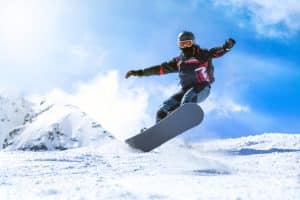
For experienced riders seeking more performance and versatility, there are plenty of advanced options available. Here are some top recommendations for skis and snowboards that will take your skills to the next level:
- Advanced Skis: If you’re an advanced skier looking to push your limits, consider all-mountain skis with a stiffer flex and a narrower waist. These skis provide better stability at high speeds and excel in carving turns. Look for models with advanced technologies such as carbon fiber or metal laminates for enhanced performance. Some top choices for advanced skiers include the Volkl Mantra and the Blizzard Bonafide.
- Advanced Snowboards: Advanced snowboarders may opt for freeride or aggressive all-mountain snowboards with a stiffer flex. These boards offer better stability and responsiveness for high-speed runs and aggressive turns. Look for models with advanced construction and camber profiles tailored to your riding style. Some recommended options for advanced riders include the Jones Flagship and the Lib Tech T.Rice Pro.
When choosing advanced equipment, it’s important to consider your specific riding style, preferred terrain, and skill level. Advanced skis and snowboards require more control and skill to fully utilize their capabilities.
Expert Tips for Buying Skis and Snowboards
Now that you have a solid understanding of the key factors and recommendations for buying skis and snowboards, here are some expert tips to further enhance your decision-making process:
- Try Before You Buy: Whenever possible, try out different skis or snowboards before making a purchase. Many ski resorts and rental shops offer demo programs, allowing you to test different models and sizes. This hands-on experience will give you a better feel for how the equipment performs and whether it suits your preferences.
- Read Reviews and Seek Recommendations: Take advantage of online resources and reviews to gather information about specific skis or snowboards you’re interested in. Reading reviews from other riders can provide valuable insights into the performance, durability, and overall satisfaction of a particular model. Additionally, don’t hesitate to seek recommendations from experienced riders, instructors, or salespeople who can offer personalized advice based on your skill level and riding style.
- Consider Your Long-Term Goals: When buying skis or snowboards, it’s important to consider your long-term goals. Are you looking for equipment that will last for several seasons, or are you planning to upgrade as your skills progress? This will help determine whether you should invest in high-performance options or opt for more budget-friendly choices.
- Don’t Overlook Maintenance and Care: Proper maintenance and care can significantly extend the lifespan of your skis or snowboard. Regularly waxing your equipment, sharpening the edges, and storing them properly during the offseason will ensure optimal performance and durability. Consider investing in a tuning kit or taking your equipment to a professional shop for regular maintenance.
Remember, buying skis or snowboards is an investment in your winter adventures. Take the time to research, test, and consult with experts to find the equipment that perfectly suits your skill level, riding style, and long-term goals.
Maintaining and Caring for Your Skis and Snowboards

Once you’ve found your perfect skis or snowboard, it’s important to properly maintain and care for them to ensure optimal performance and longevity. Here are some essential tips for keeping your equipment in top shape:
- Regular Waxing: Regular waxing is essential for maintaining the base of your skis or snowboard. Waxing enhances glide, protects the base from drying out, and helps repel dirt and moisture. Depending on your usage, it’s recommended to wax your equipment every 4-6 days on the slopes. You can either learn to wax your skis or snowboard yourself or take them to a professional shop for waxing.
- Edge Maintenance: Sharp edges provide better grip and control on hard-packed snow and ice. Regularly inspect your edges for any dullness or damage. If needed, you can sharpen the edges using a file or take your equipment to a professional for a tune-up. Additionally, avoid hitting rocks or other hard objects that may cause damage to your edges.
- Storage: When the season comes to an end, proper storage is crucial to protect your skis or snowboard. Clean your equipment thoroughly to remove any dirt or moisture. Store them in a cool, dry place away from direct sunlight and extreme temperatures. Ideally, store your skis or snowboard in a bag or sleeve to prevent scratches and damage.
- Check and Adjust Bindings: Regularly check the bindings on your skis or snowboard to ensure they are properly adjusted and functioning correctly. If you’re unsure, take your equipment to a professional shop for a binding inspection and adjustment. Properly fitted and adjusted bindings are crucial for safety and optimal performance.
By following these maintenance tips, you can prolong the lifespan of your skis or snowboard and enjoy optimal performance season after season.
Conclusion: Enjoying the Slopes with Your New Skis and Snowboards
Congratulations! You are now equipped with expert tips and top recommendations to confidently navigate the world of ski and snowboard buying. From understanding the different types of skis and snowboards to considering key factors such as size, shape, flex, bindings, and boots, you have the knowledge to make an informed decision.
Remember, finding the perfect skis or snowboard is a personal journey. Take the time to try out different options, seek advice from experts, and snowboards to considering key factors such as size, shape, flex, bindings, and boots, you have the knowledge to make an informed decision.
Remember, finding the perfect skis or snowboard is a personal journey. Take the time to try out different options, seek advice from experts, and
 About the author